Missouri Senate passes GOP-friendly map, sending it to governor’s desk
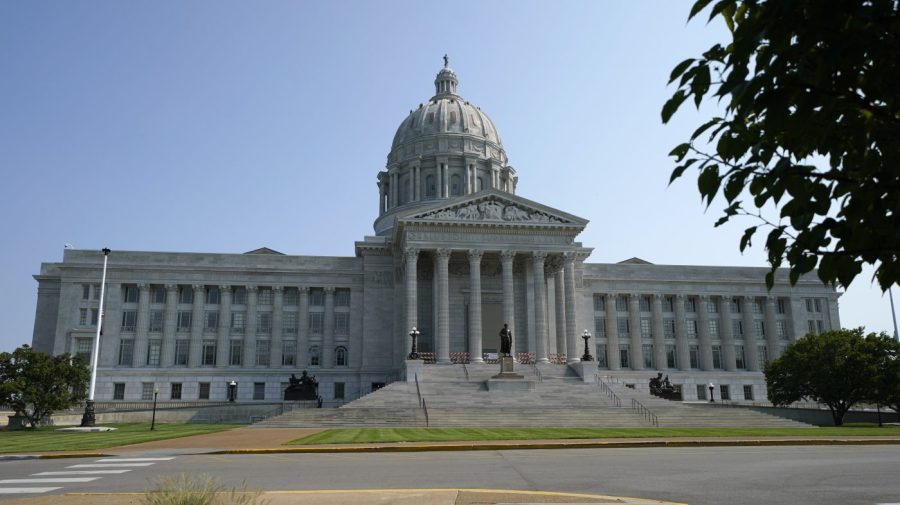
Missouri Senate Republicans on Friday passed a new set of congressional lines that aims to add one pickup opportunity for the GOP in the U.S. House ahead of 2026, sending it to Missouri Gov. Mike Kehoe (R) for his signature.
The Missouri Senate advanced a new House map that would break up Rep. Emanuel Cleaver’s (D-Mo.) Kansas City district to help Republicans net one additional seat during the midterms next year. The Missouri House passed the new congressional lines on Tuesday before they advanced to the state Senate.
Kehoe is expected to quickly sign them into law, giving Republicans another key win following a similar redistricting effort in Texas as the GOP looks to cushion potential losses in 2026.
Between the new maps in Texas and Missouri, Republicans could net up to six new seats next year, though some of those wins could be negated depending on whether California is able to pass a Democratic-friendly congressional map this November.
“Bowing to the demands of Donald Trump, corrupt Missouri Republicans advanced their mid-decade gerrymandering scheme today to try and rig the midterm elections in order to salvage the weak GOP House majority,” said House Minority Leader Hakeem Jeffries (D-N.Y.), in slamming the move.
“We will fight the rigged congressional map and Republicans will pay an electoral price next November,” he vowed. “The people of Missouri will have the last word.”
The Missouri Republican called a special session in late August to do an unusual mid-decade redistricting in the state, following heavy pressure from the White House to have the Show Me State redraw its House lines before the midterms.
Kehoe also included in the special session agenda new legislation that would make it harder for citizen-led ballot initiatives to be passed in Missouri after the voters recently approved initiatives protecting abortion access and requiring paid sick leave. GOP legislators later repealed the paid sick leave law and are using the referendum process to try to repeal the abortion access constitutional amendment next year.
Currently, Missouri only requires signatures from 5 percent of voters who cast ballots in the last gubernatorial election in six of the state’s eight counties for statutory changes. The state requires signatures from 8 percent of voters who cast ballots in the last gubernatorial election in six of the eight counties for constitutional amendments.
But lawmakers are looking to add additional rules that would make it harder for constitutional amendment initiatives to be passed in the state, specifically requiring a majority of voters in each congressional district and a majority of voters in the state overall to approve the amendment before it can go into effect — a much higher threshold for passage.
Democrats’ options to thwart the Missouri map, however, are not completely exhausted. Opponents could potentially stall the maps from going into effect through the referendum process, where voters would have the final say over the maps. Opponents would need to gather a certain threshold of signatures from six of the state’s eight counties for a petition to launch a referendum within 90 days of legislative session adjourning.
Opponents are also gathering signatures to place their own initiative on the ballot that would make it harder for state lawmakers to target citizen-led initiatives or change them in the Capitol.
A group called Respect Missouri Voters is looking to pass an initiative that would “prohibit the legislature from putting any constitutional amendment on the ballot that would make the initiative process more difficult” and require a threshold of at least bipartisan support from at least 80 percent of each chamber before being able to make changes to citizen-led initiatives, according to their website.
Updated at 4:37 p.m. EDT